
About TAG
Truckee Applied Genomics develops patented reagents that preserve blood and tissue samples between collection and the laboratory, so molecular assays read the biology of the patient rather than the damage done in transit.
Leadership
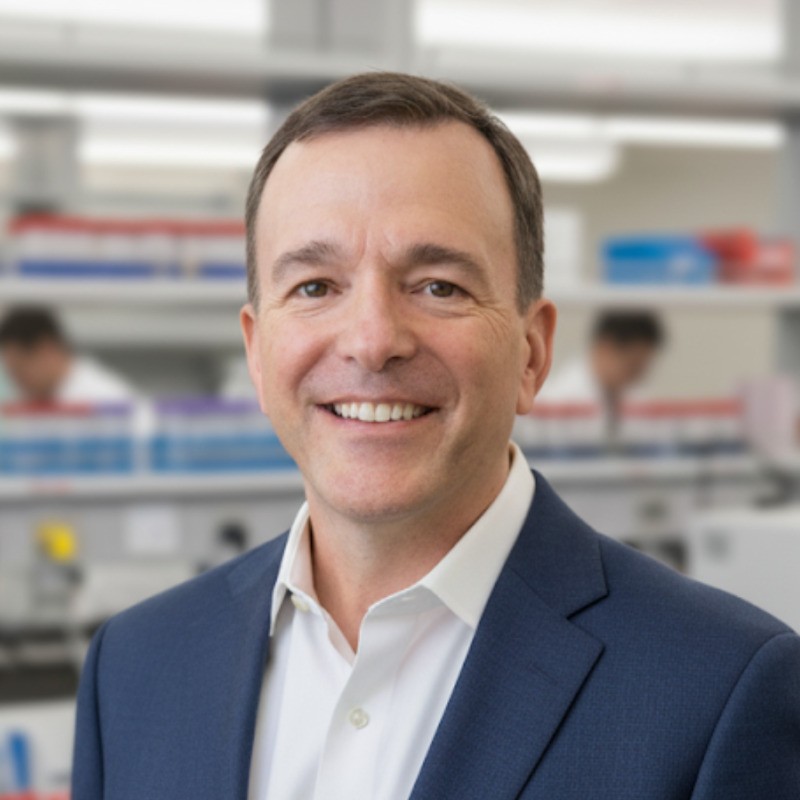
Ken Pawlak
Chief Executive Officer
Ken Pawlak leads TAG’s commercial work: market strategy, partnerships, licensing and fundraising. His focus is putting the TAG FLEX-LB™ (TFLB) blood collection tube in the hands of assay developers and CLIA laboratories that need to validate a tube against their own assays. Before TAG he founded Varolii, a SaaS messaging company that raised more than $17 million from Draper Fisher Jurvetson and Nokia Venture Partners and was later acquired by Nuance. He spent eight years at Microsoft in product management, strategic alliances and corporate strategy, where he advised Bill Gates and Steve Ballmer on the Intel alliance and ran a 2010 pilot of AI-assisted mobile health diagnostics in Kenya. Earlier, at Intel, he launched internet telephony products. Ken holds an MBA from the Darden School of Business at the University of Virginia and an AB in economics from Occidental College.
Tony Baker
Founder and Chief Technology Officer
Tony Baker invented and patented the preservation chemistry behind TAG’s products. The chemistry began with TAG-1™, a reagent that keeps surgically removed tissue fit for molecular testing without freezing, and now underlies TFLB for blood. Trained in microbiology, Tony has held clinical, research, technical and manufacturing management positions at Los Angeles County hospital, Merck, GenTrans Technologies and Sigma Diagnostics. In 2002 he founded Sierra Diagnostics, renamed Sierra Molecular in 2006, and led it as CEO and CTO until 2011. At TAG he guides method development and reviews the scientific design of the company’s studies.
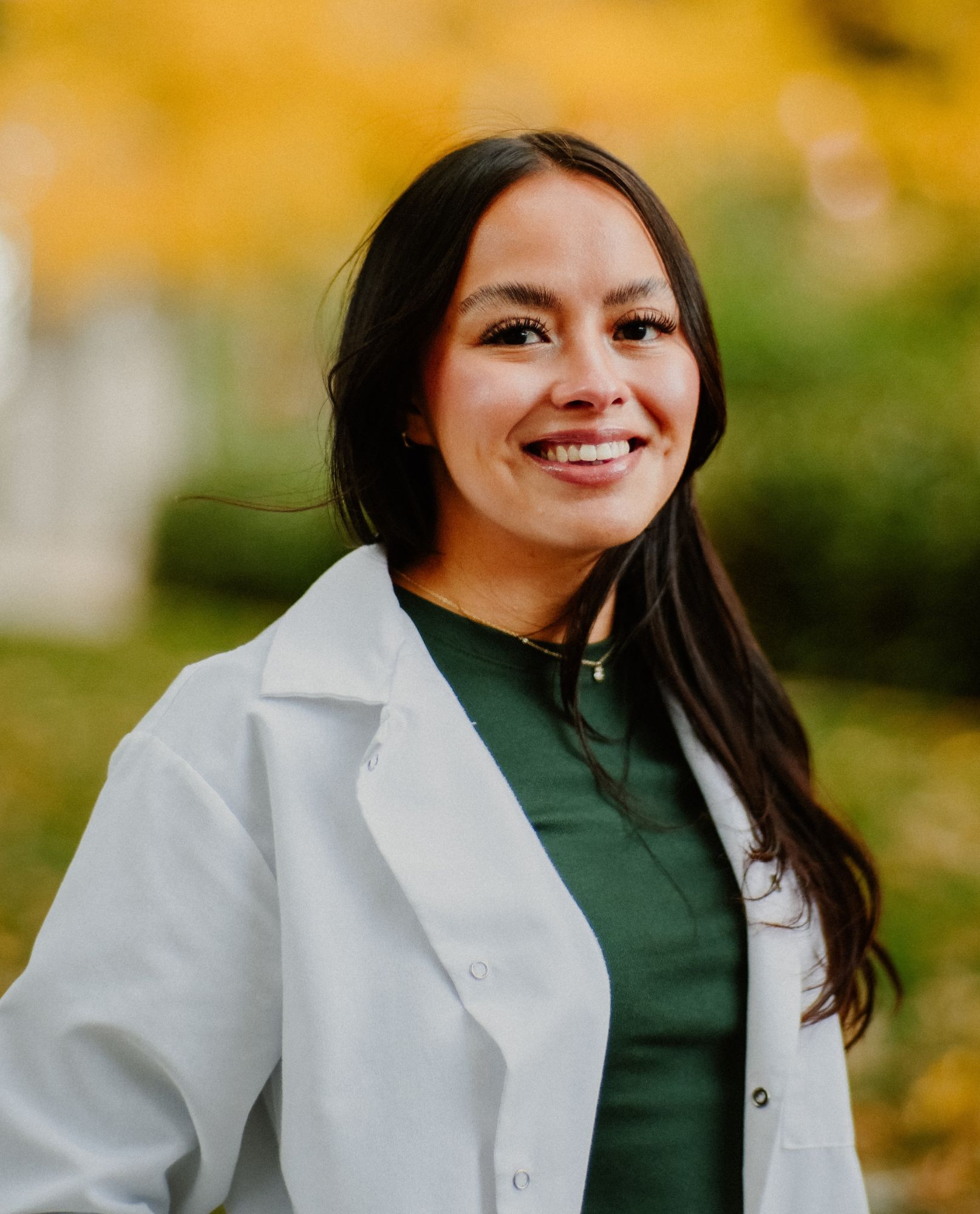
Emily Medina, Ph.D.
Director of Research and Development
Emily Medina leads the biochemistry behind TAG’s sample preservation reagents. Trained in biochemistry and molecular biology, she designs and runs the studies that optimize TFLB for liquid biopsy and TAG’s tissue reagents for pathology. Her target is pre-analytical variability: the cell lysis, hemolysis and degradation that begin at the moment of collection and blur the signal an assay is built to read. Her recent work extends the TFLB evidence beyond cfDNA and cfRNA to plasma proteins, cellular genomic DNA and white blood cells measured by flow cytometry. She has presented TAG’s data at ISLB, AMP, SLAS and AACR.
